Cutting Costs On Car Repairs

For many, taking the car to mechanics can come with a feeling of dread. Most car repairs aren’t cheap. However there are ways of cutting costs without cutting corners. Here are a few ways that you can get your vehicle fixed up for less.
Notify your insurance company straight away
In the instance of an accident or vandalism that requires repairs, you should also contact your insurance company straight away even if you don’t know if you’re going to make a claim there and then. Some car insurance companies won’t pay out for repairs unless you notify them within a 48 hour period after the damage occurs. You should always notify your insurance provider before getting anything fixed as often they won’t provide coverage costs after. Feel free to get a quote from a garage beforehand though.
Know when to make a legal claim
If the damage wasn’t your fault and you got injured as a result, you may be able to file a legal claim with the help of a car accident lawyer. Any money you claim may help you to pay for repairs or indeed medical costs if you had to visit a doctor or hospital. Lawyers may also be able to help in rare cases where insurance companies are refusing to pay up despite giving them evidence. Other solicitors meanwhile may be able to help you sue for malpractice if a mechanic hasn’t repaired your vehicle properly and is refusing to pay a refund.
Shop around for repairs
Don’t just settle for the first garage you can find. Every mechanic will charge a different rate. Staying loyal to one garage can sometimes pay off and may open you up to a special loyalty rate. However, it doesn’t hurt to get quotes from other garages first just to check. Read online reviews if available as some suspiciously cheap rates may be a way of compensating for a bad reputation. Darren from MotoFX says “Repairing a vehicle sometimes involves having to get it re-sprayed and re-coloured. This can be expensive and there are alternative methods, such as getting your vehicle wrapped

Buy spare parts yourself
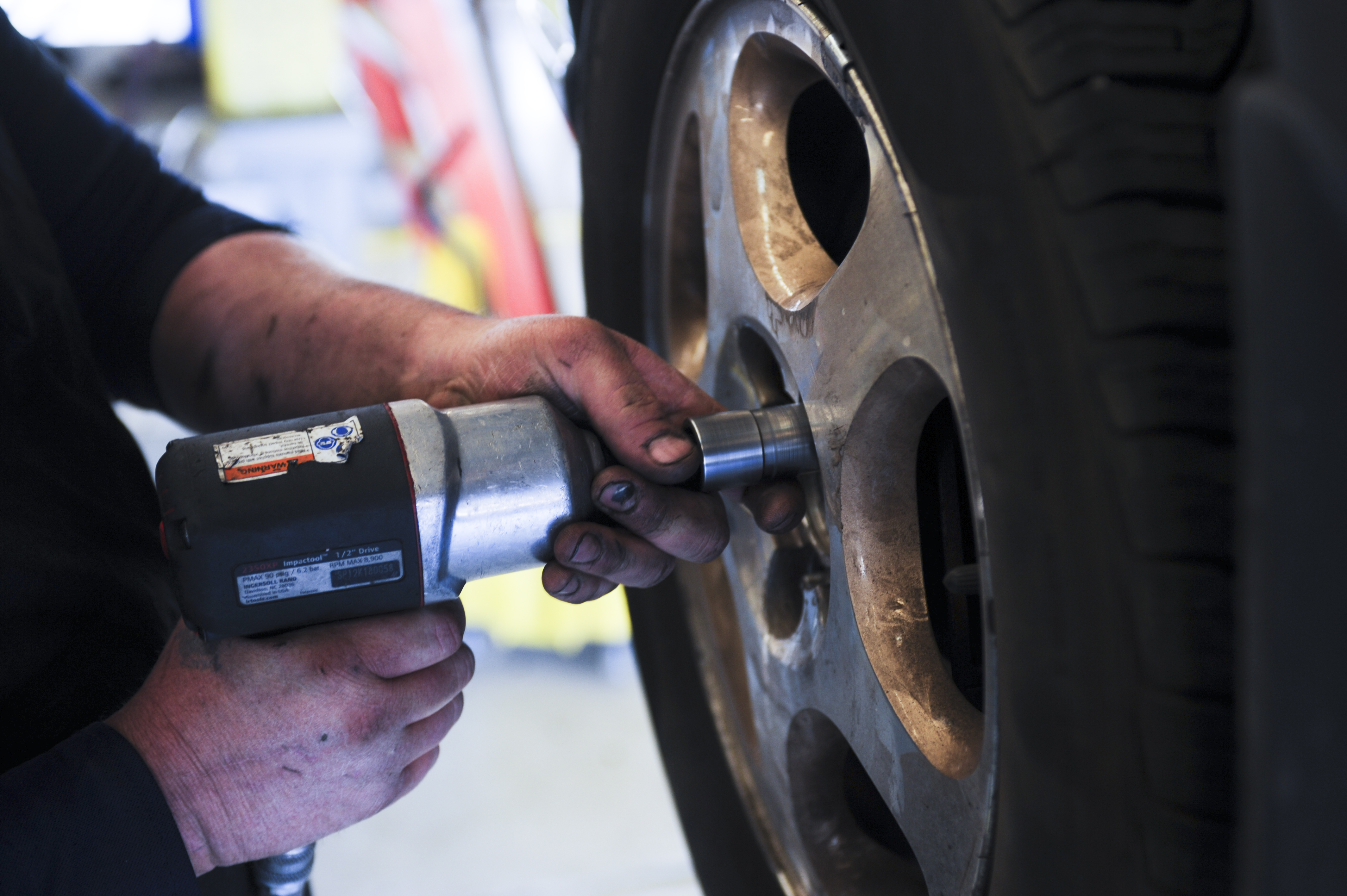
You can often save money by buying spare parts yourself. This requires some know-how to ensure you don’t buy the wrong part. Second-hand parts can be found from scrap companies for a very cheap rate. Rarer parts for old cars are likely to be more expensive, although may often be easier to install (in some classic cars you may be able to replace them yourself). Always check the condition of second-hand parts before buying – if you’re purchasing from an online seller, ask for photographs and read user reviews to check you’re not about to be scammed. You can go to your local scrap yard for used parts and save money.
Even though you can make a lot of repairs yourself, and finding second-hand parts is now easier than ever, there are some parts of your vehicle you shouldn’t touch. This includes your clutch, engine, and brake system. Luckily, it’s easy to find a cheap clutch replacement online, and if you pursue an option like this, you can feel confident knowing that your repair will last for a long time.
… but don’t buy used tyres
When it comes to tyres, partially worn tyres aren’t the way to go. They may be cheaper, but you’ll have to replace them again sooner, meaning you could spend more money in the long run. Whilst you don’t have to buy from top brands, fresh tyres are always more sensible. If you want a good local supplier, check out Anytime Tyres 247 Redbridge.
Use your network
Do you know a friend or family that’s a mechanic? Or perhaps an uncle that’s always under a bonnet doing DIY stuff? You may be able to save money by knowing the right people. A friend or family member working at an independent mechanic might be able to negotiate a cheaper price. Unqualified car-enthusiast friends and family members may do it for free – but make sure that you fully trust them and aren’t giving them anything too complex to deal with that may be better suited in the hands of a professional.

Beware of hire cars
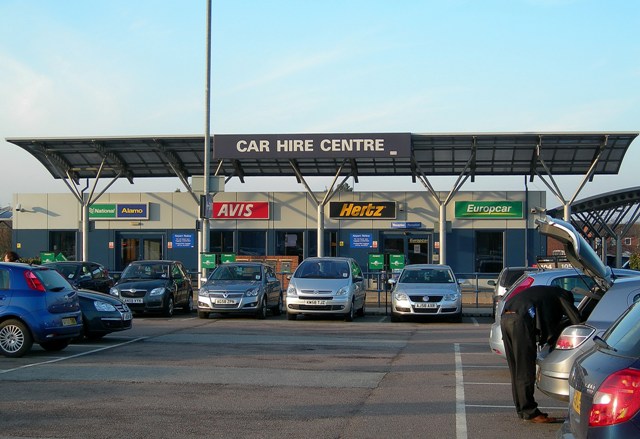
Some insurance providers will pay for hire cars whilst you’re getting your vehicle repaired, which should be taken advantage of. If this isn’t the case and you have to pay for your own hire car be wary of varying rates. Shopping around will be able to get you the best deal – some car rental places may be aimed at holidaymakers and may charge more. Alternatively, you may not even need a hire car. If you don’t have to commute far for work, getting a lift or taking up cycling could save you a lot of money. Buses and trains may be cheaper although you may have to compare rates first.
Know when to scrap
When it comes to major damage, sometimes a car just isn’t worth the costly repairs. You may be able to spend less on a new vehicle than repairing and selling your current car. Know when to cut your losses by valuing your car online.