Knowing When to Sell Your Scrap Car
It’s easy to get attached to your car. After all, it’s been with you for many years. You’ve probably made a lot of fond memories with it. Maybe you and your significant other took it for a spin when you first met. Or, you might associate your car with a 3,000-mile road trip that you’ll never forget. And, if your vehicle has been reliable, it can even feel like an old friend. Sadly the time has come to sell my car.

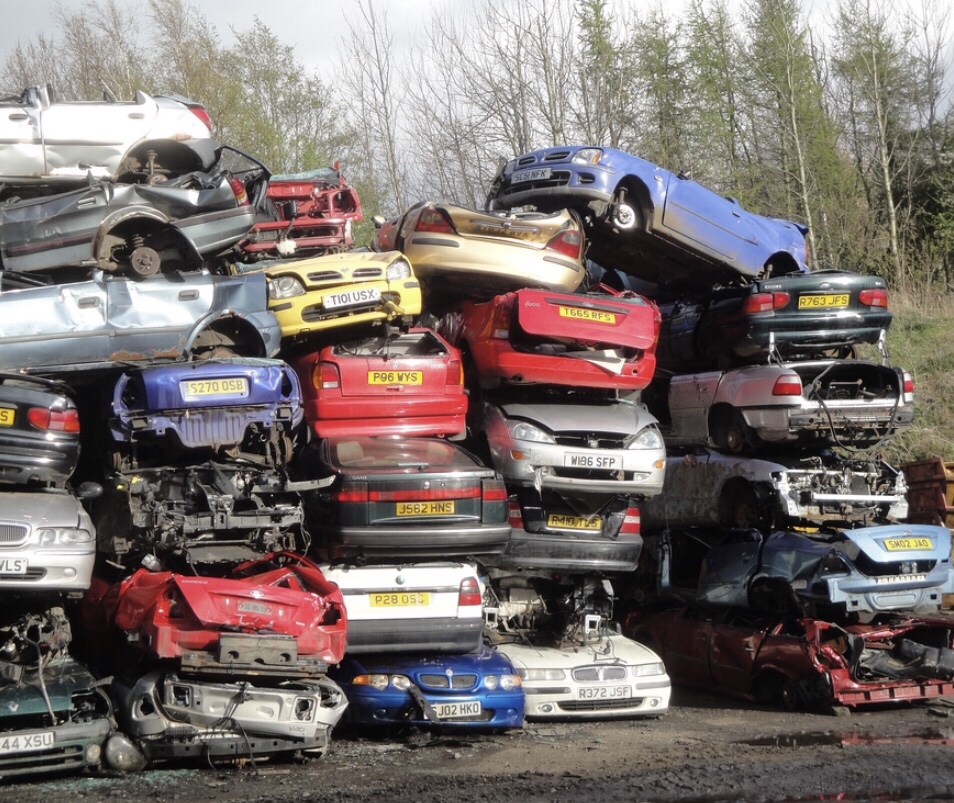
There’s no doubt about it, though: no matter its make, model, or sentimental value, every car eventually reaches official “scrap status.” It can happen gradually: things start to go wrong here or there, until eventually your whole vehicle is nothing but a bunch of broken or malfunctioning parts. Or, it can occur suddenly in the form of a bad motor vehicle accident: one day your car is in great shape, and the next it’s completely totaled. Either way, the end result is the same: you need to part ways with your vehicle. So if you can’t drive it because it won’t start, its time to ask a company that does Scrap Car Pick Ups.
Or do you? Should you sell your junk car? How can you be sure that selling your vehicle is your only option? Read on to find out.
Annual spending on repairs
How reliable has your vehicle been this past year? Think back a bit. Has it run fairly well? If you’ve had to take it in to the mechanic’s repeatedly, total up what it’s cost you. This is step number one.
The cost of parts
Do you know someone who’s a real car whiz? They can fix anything on their car, and they pride themselves on taking care of mechanical issues themselves. You doubt whether they’ve even set foot into a mechanic’s shop (other than to learn some tricks of the trade). These are the kind of people who are in a good position to fix up a junk car: they’re not going to have to shell out an arm and a leg for repair costs.
If you fit this description, congratulations! Still, though, there’s something important to keep in mind: parts aren’t free. Even if you’re fixing up you’ve been maintaining your car yourself, it’s important to total up the cost of parts. So, be sure to calculate this amount, and include it with the total that you came up with above. Don’t forget that your time is worth something, too. Consider factoring in an hourly rate for yourself.
Total costs versus vehicle value
Now, for the final step–you know what you’ve spent at the mechanic this year, and/or what you’ve spent on parts yourself. Now, it’s time to assess the current state of your car. To get it into good running condition, what repairs does it need? Total up the cost of parts if you’ll be fixing it yourself (and add in your time, as mentioned above), or call a mechanic and get an estimate if you’ll be taking it in to the shop.
Once you have these costs, head over to the Kelley Blue Book website and look up your vehicle’s value. Be honest about its condition: if it’s a borderline junk car, chances are its condition is “poor.”
Now, compare the value of the vehicle to the cost of repairs over the last year, plus the cost of repairs to come. If you’re spending more on fixing your vehicle than it’s worth in the first place, your best bet may be to sell it. If you go this route, look for a reliable junk car buyer in your area.