Making Dark Rooms Brighter Without Breaking the Bank
A lack of natural light can make even a well-decorated home feel less inviting. Rooms that remain dim throughout the day often feel smaller and can impact daily comfort. While some people may consider extensive renovations or costly electrical work to resolve the problem, there are effective and affordable ways to bring more daylight into your living space. With careful planning and the right features, you can turn a dull room into a bright and welcoming part of your home.
Why Dark Rooms Affect Family Life and Wellbeing
Dark rooms can influence how much time people spend in certain parts of the home. Areas with minimal daylight can feel less comfortable and limit their use for work, relaxation, or family activities. Limited natural light also increases reliance on artificial lighting, which can add to energy bills and create a less natural living environment.
Homes with restricted daylight often have architectural limitations such as narrow layouts, small windows, or north-facing rooms. These constraints make it challenging to achieve bright, evenly lit spaces. Extensions, in particular, may have fewer walls available for windows, making roof-based solutions an effective option. Choosing features that maximise daylight can transform these spaces, enhancing both their function and appearance.
Working with tailored glazing solutions allows you to upgrade your space with contemporary roof lanterns that provide a wide spread of natural light. These installations not only brighten the room but also create a visual focal point, enhancing the overall design without the need for structural changes to walls or floors.
Roof Lanterns vs Skylights for Brightening Your Home
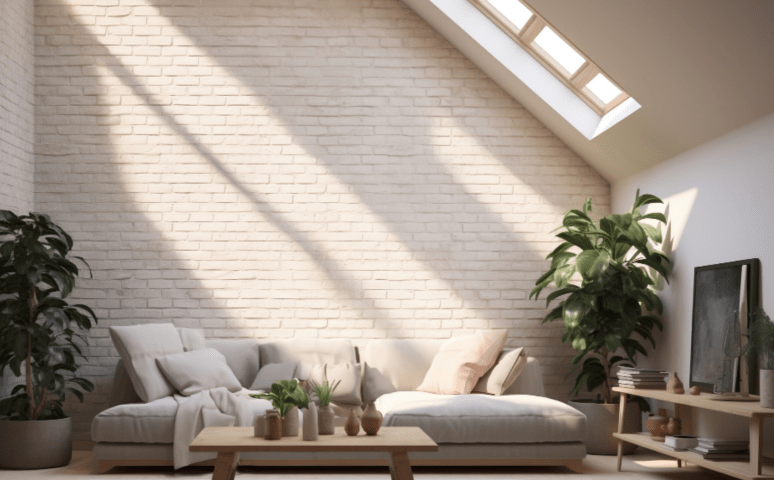
Both roof lanterns and skylights can bring daylight into darker rooms, but they work in different ways. Roof lanterns are elevated, multi-panelled glass structures that draw light from multiple angles, spreading more evenly across the space. This design is particularly effective in larger rooms where daylight needs to reach further. Skylights, on the other hand, are flat or slightly angled windows set into the roof, directing light in a concentrated beam.
The choice between the two depends on the room’s size, ceiling height, and roof structure. Roof lanterns are often preferred for flat-roofed areas such as kitchen or living extensions, while skylights can be installed on both pitched and flat roofs.
Which Option Works Best for Your Budget and Layout
Budget is often a key consideration when selecting between roof lanterns and skylights. Skylights generally offer a lower-cost entry point, while roof lanterns typically require a higher investment due to their more complex structure and installation. However, roof lanterns can deliver better long-term value for larger rooms that need a wide distribution of light.
Room proportions also influence the decision. Higher ceilings can accommodate the vertical height of roof lanterns, while spaces with lower ceilings may be better suited to flatter skylights. Planning regulations should also be checked before installation, particularly if the property is in a conservation area or is a listed building.
Installation Considerations for Roof Glazing
Fitting any form of roof glazing requires careful planning and professional installation to ensure safety and weather resistance. Preparing the space beforehand by clearing the area and protecting furnishings helps avoid disruption. For roof lanterns, precise measurements and structural assessments are essential to ensure the installation integrates seamlessly with the roof.
Weatherproofing is a key element, with proper sealing, flashing, and drainage systems preventing leaks and protecting the home’s interior. Choosing materials and designs suitable for the UK’s varied weather conditions will help the installation remain effective and durable over time.
Keeping Your Room Comfortable Throughout the Year
While the primary purpose of roof glazing is to improve light levels, temperature control should not be overlooked. Solar control glass can limit heat gain during sunny periods, helping to maintain a comfortable indoor environment. Ventilation features, such as opening panels in roof lanterns, allow warm air to escape and fresh air to circulate.
In cooler months, high-quality glazing with strong insulation properties helps retain heat, reducing the need for additional heating. Selecting frames with thermal breaks prevents cold bridging and improves overall energy efficiency.
Practical Maintenance Tips
Once installed, roof glazing requires regular upkeep to perform at its best. Glass surfaces should be cleaned periodically to remove dirt and debris, with specialist cleaning tools making the process easier for higher or more complex structures.
Self-cleaning glass coatings can reduce the frequency of maintenance by breaking down organic dirt through sunlight exposure, which is then washed away by rain. Seasonal checks should include inspecting seals and drainage channels to ensure they remain in good condition, as well as confirming that any ventilation features are operating properly.
Bring More Light Into Your Home with the Right Design
Improving daylight in your home is achievable without major reconstruction or overspending. Whether you choose a roof lantern or a skylight, careful planning and quality installation will ensure your chosen solution delivers both functional and visual benefits. By focusing on light quality, energy efficiency, and practical upkeep, you can create a brighter, more welcoming environment that enhances daily life. Now is the perfect time to explore your options and bring lasting brightness to your home.