Making the Most of Your Group Tour Experience: Tips for Travellers
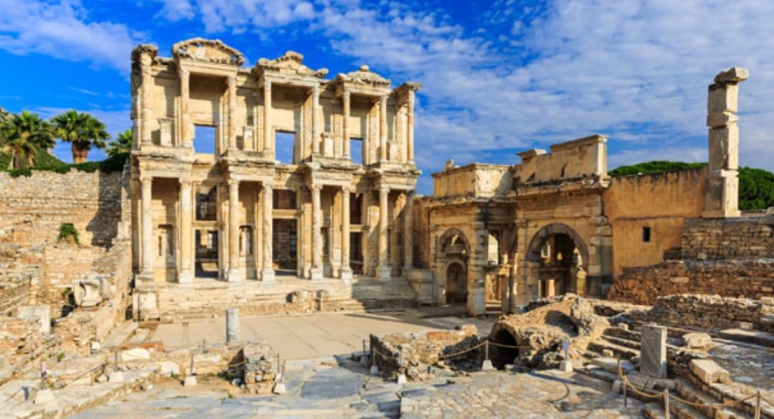
Imagine exploring historic cities or remote trails alongside fellow travellers, with no solo planning stress or missed connections. A thoroughly planned group tour offers more than a packed itinerary. It creates opportunities to share discoveries, learn from others, and uncover hidden gems you might miss on your own.
In this guide you will learn how to:
• Define clear trip goals, set a budget, and review package details
• Research and select a tour operator that matches your style
• Pack smart, secure insurance and visas, and join pre-tour meetups
• Build rapport, manage conflicts, and tap into group strengths
• Customise on-tour activities, stay flexible, and track expenses
• Wrap up with tipping etiquette, reviews, and post-trip networking
• Use our planning a group trip checklist to cover every detail
Whether this is your first group tour or you’re looking to level up your experience, this guide will help you with traveling as a group, planning a group vacation, and planning group trips with confidence. Ready to turn your next group adventure into the trip of a lifetime? Let’s start by laying the groundwork, planning a group tour.
Planning Your Group Tour
Effective planning sets the stage for a smooth group journey. Start with clear goals, a realistic budget, and a review of all key policies. Including items from a planning a group trip checklist helps avoid overlooked details.
Define Trip Goals and Preferences
When organising group travel, assign one or two leaders to coordinate tasks and decide on travel style. Identify shared interests such as beach, urban exploration, or local festivals. Agree on an ideal group size (10–15 for first-timers) and consider participant demographics for better cohesion.
Set a Realistic Budget
When planning a group vacation budget, calculate the cost per day by dividing the total tour price by duration. Set a maximum for essentials like lodging and group transport. Use a shared payment platform to centralise costs and simplify bill splitting. Offer optional activities separately so members control their spending. Book flights and ground transport early to secure group rates.
Understand Inclusions and Exclusions
Review package details carefully. Note what’s covered: accommodations, meals, guided tours, and transfers. Identify exclusions such as local fees, gratuities, or optional excursions. Check if airport transfers are included or require a separate booking. Understanding these details will help you organise group travel smoothly.
Review Cancellation and Refund Policies
Add cancellation deadlines to your planning a group trip checklist. Read the operator’s policy on timelines and penalties. Confirm deadlines for free cancellation and any partial refunds. Ensure you have travel insurance to cover medical emergencies, trip delays, and lost luggage. Store policy documents in a shared system for easy access.
Choosing the Right Tour Operator
When you organise group travel, selecting the right tour operator sets the tone for your entire trip. Use these steps to narrow down reputable companies that match your style and priorities.
Research Tour Companies
Start by identifying companies that specialise in your travel style: small-group itineraries, private tours, faith-based options like christian tours, or sustainable local operators. Decide if you want an international brand or a locally based operator for deeper destination insight. Review sample itineraries, group size limits, and target audiences, such as retirees, adventure seekers, or slow travellers, to ensure a good fit.
Compare Costs and Value
Transparent pricing is key. List what’s included (accommodations, meals, guides) and what’s excluded (international flights, visas, extra fees). Compare per-person rates, group size, and itinerary depth to find the best value. Remember how to plan a group trip includes assessing value over cost alone.
Check Reviews and Ratings
Scan platforms like TripAdvisor and Trustpilot for traveler feedback. Look for consistent praise or complaints about logistics, guide quality, and customer service. Focus on recent reviews to notice updates in service or safety standards.
Assess Ethical and Safety Standards
Verify sustainability certifications and membership in professional bodies. Ensure guides are local, fluent, and first-aid trained. Review published safety protocols and reported incidents to confirm adherence to industry best practices.
Preparing for Your Trip
When traveling with a large group, getting ready for the tour means more than tossing items in a suitcase. Follow these steps to stay organised, insured, and connected before departure. Include critical documents, like itineraries and emergency contacts, in your personal bag.
Pack Smart for Group Travel
• Choose versatile layers and mix-and-match clothing to save space
• Use modular packing cubes to separate outfits and accessories
• Stick to one carry-on plus a small personal item when possible to streamline airport transfers
• Check airline and tour luggage limits to avoid extra fees
• Label shared gear, such as first-aid kits or chargers, to prevent mix-ups
Secure Travel Insurance and Visas
Select the Right Insurance Policy
Pick a plan that covers medical emergencies, trip cancellation, and baggage delays. Verify group or family rates for better savings.
Manage Visa Requirements
Research entry rules for each destination. Gather passports, photos, invitation letters, and any local forms. Apply early to account for processing delays.
Attend Virtual Pre-Tour Meetups
As part of how to plan a group trip, join online meetups two to four weeks before departure. Use video-chat platforms to introduce yourself, share packing tips, and review the itinerary. Create an agenda with icebreakers, like “two truths and a lie,” to ease introductions. Confirm everyone’s time zones and test audio/video before the call. A brief welcome session sets expectations and builds rapport before you reach the airport.
Leveraging Group Dynamics and Socialising
Strong group ties can turn a good trip into a great one. Use these tips for traveling as a group to connect, resolve issues, and leverage collective strengths.
Build Rapport with Fellow Travellers
Start with icebreakers. A simple round of introductions or a two-truths game can ease initial awkwardness. Plan informal check-ins during free time to spark organic conversations. Encourage active listening by asking open-ended questions about each person’s interests.
• Host brief morning or evening gatherings
• Share tips on favourite spots and local insights
Manage Group Conflicts
Establish open communication channels early. Encourage travellers to raise concerns privately or in group meetings. Practice neutral mediation and maintain a calm tone. When disputes arise:
• Address issues promptly and directly
• Seek the guide’s help to facilitate compromise
Draft a shared code of conduct before departure. Clear expectations reduce misunderstandings and keep the atmosphere positive.
Leverage Peer Skills
When traveling with a large group, identify participants’ passions, such as photography, cooking, or language skills. Invite them to lead small workshops or photo walks. Assign roles based on strengths, like navigator, translator, or first-aid responder. Recognising individual contributions validates each member and deepens group cohesion. Monitor group mood through quick check-ins and adjust downtime if energy dips. Engaging peer skills turns a standard itinerary into a collaborative adventure.
Maximising On-Tour Experiences
Participate in Group-Exclusive Activities
Group tours unlock special interest options such as cooking workshops in Italy or bird watching in Costa Rica. These exclusive activities let you connect deeply with local culture. Choose the right tour size, as larger tours tend to be more budget-friendly and social, while smaller tours offer more hands-on sessions and deeper bonds. At your first briefing, let the guide know your niche interests. Clear communication often leads to tailored stops and hidden experiences not available to independent travellers.
Customise Your Experience
Group itineraries include built-in breaks. Use this time to tailor your trip. Review the tour package details before departure, noting inclusions and any extra costs to avoid surprises. Ask the guide about optional excursions, such as a sunrise hike or a local walking tour. Booking early ensures availability and a smooth fit into the group schedule.
Stay Flexible and Curious
Open-minded travellers get the most from a tour. Aim to ask one thoughtful question each day to engage with local stories. Stay punctual and keep communication clear to avoid missing spontaneous adventures. When plans shift, adapt without complaint and respect fellow travellers’ styles. This flexible attitude reveals hidden gems and strengthens bonds within the group.
Budget Management and Smart Spending
Split Costs Fairly
Use apps like Splitwise or Venmo to log shared expenses in real time. One traveler can cover group bills while others reimburse instantly, avoiding multiple cards at dinner. Unbundle add-ons so members pay only for the upgrades they choose. This method keeps budgets transparent when traveling as a group.
Track Extra Expenses
Assign one person to record incidental costs. Mobile apps and a shared receipt folder keep spending visible. Set daily spending limits and review them at day’s end. Groups staying in rentals can cook together to reduce meal bills.
Understand Local Etiquette
Research local tipping norms and service charges before your trip. Ask your guide about customary percentages and carry small bills for tips. Clarify who covers personal items, like drinks at meals, to prevent confusion.
Post-Tour Reflection and Engagement
Tipping Etiquette
Thank guides, drivers, and local staff with appropriate tips. A common guideline is to tip guides 10–15% of your tour fee and drivers $5–10 per day, adjusting to local customs.
Leave Detailed Reviews
Write honest feedback on TripAdvisor, Viator, or the operator’s site. Highlight guide expertise and group dynamics with specific dates and suggestions. Clear reviews help future travellers know what to expect.
Network After the Tour
Join tour alumni groups on Facebook or LinkedIn. Host a post-trip meetup or virtual call. Share photos, travel tips, and resources to keep connections alive. Staying in touch can spark ideas for your next adventure.
Conclusion
Traveling as a group offers structure, support, and shared discovery. By following this planning a group trip checklist, you can make the most of every stage of your tour:
• Define clear trip goals, set a realistic budget, and review all package details
• Choose a tour operator that matches your interests and standards
• Pack smart, secure the right insurance and visas, and join pre-tour meetups
• Build rapport, manage conflicts constructively, and leverage group skills
• Customise activities, stay flexible, and track expenses in real time
• Show appreciation, leave honest reviews, and nurture post-trip connections
Whether you are traveling with a large group, organising group travel for the first time, or looking for tips to plan group trips, these strategies guide you from planning a group tour to post-trip reflection. Embrace the group dynamic as a chance to learn, connect, and uncover hidden gems. Your next group vacation is more than an itinerary, it’s an opportunity to expand your horizons and create lasting memories.